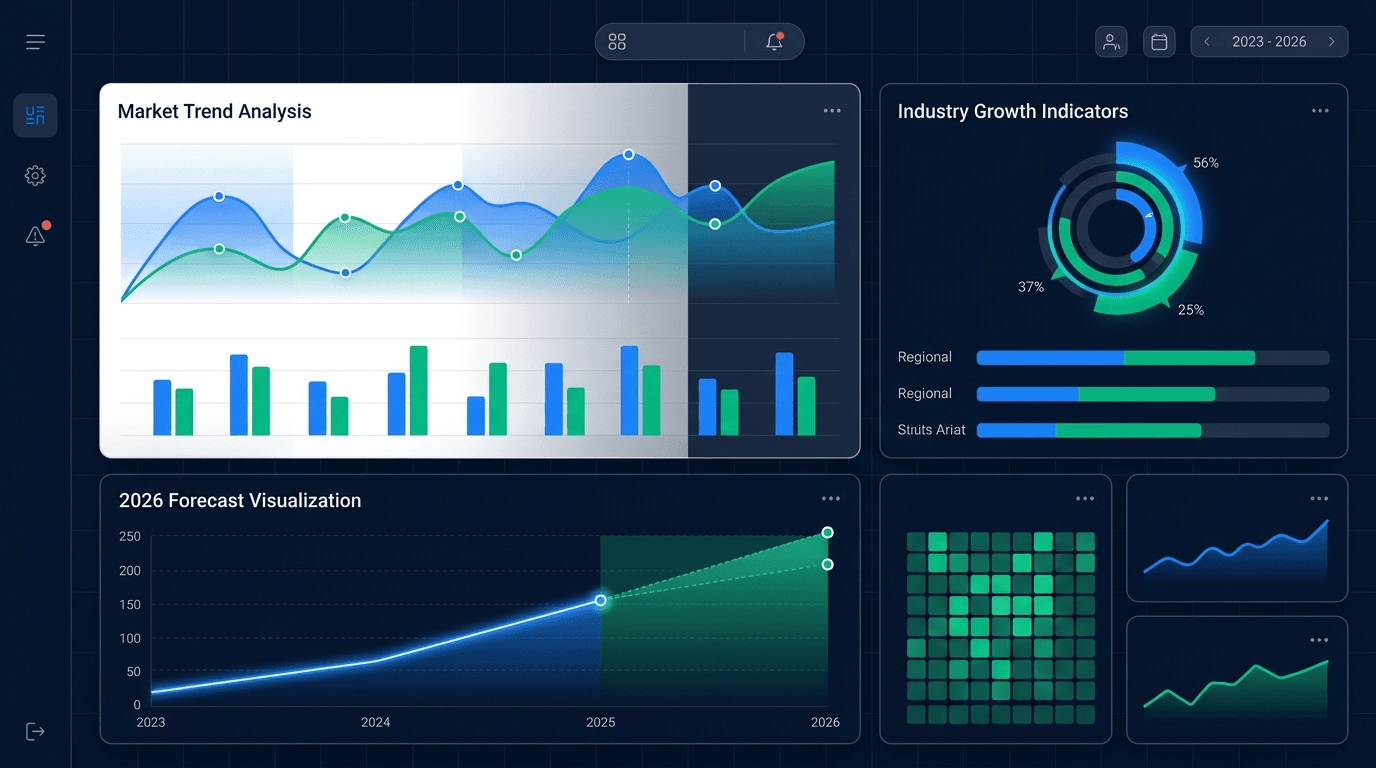
The insurance lead industry report for 2026 reveals a market in transition. Rising digital advertising costs, AI-powered lead qualification, tightening CMS and FCC regulations, and shifting consumer behavior are reshaping how insurance leads are generated, priced, and converted. This comprehensive report provides original data and analysis to help agents, agencies, and lead companies navigate the evolving landscape.
Executive Summary
The U.S. insurance lead generation market reached an estimated $3.8 billion in 2026, representing 8.2% year-over-year growth. Key findings from this report include:
- Average lead costs rose 6-12% across most verticals compared to 2025, driven primarily by increasing digital advertising costs on Google and Meta platforms
- Live transfer leads grew to 28% of total market share, up from 22% in 2023, as agents increasingly prioritize higher-converting lead types
- AI-powered lead scoring and qualification became standard among top-tier lead vendors, improving lead quality scores by an average of 18%
- FCC one-to-one consent rules fully implemented in January 2025 continue to reshape lead generation practices, reducing shared lead volume by 35% industry-wide
- Medicare leads experienced the largest price increase (11.4%) due to AEP demand and CMS marketing compliance costs
- Agent satisfaction with lead quality improved to 62%, up from 54% in 2024, driven by better filtering and compliance standards
Market Size and Growth
The insurance lead generation market has grown consistently over the past five years, driven by the insurance industry's broader shift toward digital distribution.
| Year | Estimated Market Size | YoY Growth | Key Driver |
|---|---|---|---|
| 2022 | $2.7B | +9.5% | Post-pandemic digital adoption |
| 2023 | $3.0B | +10.2% | ACA enrollment surge, T65 wave |
| 2024 | $3.3B | +9.1% | FCC rule changes, quality focus |
| 2025 | $3.5B | +7.8% | AI qualification, compliance costs |
| 2026 | $3.8B | +8.2% | Premium lead demand, MA growth |
The market's growth trajectory reflects the broader insurance industry trend toward digital customer acquisition. According to McKinsey's insurance industry research, digital distribution channels are expected to account for 45% of new policy sales by 2028, up from approximately 30% in 2024.
Several structural factors support continued growth:
- Baby Boomer aging: 10,000 Americans turn 65 daily through 2030, fueling Medicare and final expense lead demand
- ACA enrollment expansion: Enhanced subsidies and Medicaid redeterminations drive marketplace enrollment above 21 million
- Agent adoption: More agents are incorporating purchased leads into their marketing mix, with 73% of surveyed agents reporting lead purchases in 2026 versus 61% in 2022
Lead Pricing Trends Across Verticals
Lead pricing across all major verticals increased in 2026, though the magnitude varied significantly. Here is a comprehensive pricing comparison:
| Vertical | Aged Leads (2026) | Exclusive Web (2026) | Live Transfer (2026) | YoY Change |
|---|---|---|---|---|
| Medicare | $8-$22 | $22-$40 | $30-$55 | +11.4% |
| Final Expense | $5-$15 | $15-$30 | $22-$45 | +8.7% |
| Life Insurance | $6-$18 | $18-$35 | $25-$50 | +7.3% |
| ACA Health | $4-$12 | $12-$28 | $18-$40 | +6.1% |
| Auto Insurance | $3-$10 | $10-$25 | $15-$35 | +9.2% |
| Home Insurance | $3-$12 | $12-$28 | $18-$38 | +10.5% |
The primary drivers of price increases include:
- Google Ads CPC inflation: Insurance-related keywords saw 8-15% CPC increases in 2025-2026, directly impacting lead acquisition costs. "Medicare" keywords now average $18-$32 per click.
- Meta advertising costs: Facebook and Instagram lead generation costs rose 10-18% as more lead vendors compete for the same audiences
- Compliance costs: FCC one-to-one consent rules and CMS marketing guidelines require additional infrastructure, increasing per-lead production costs by 5-8%
- Quality improvements: Better filtering, verification, and AI scoring add value but also add cost to the lead production pipeline
For current pricing on all lead types, visit our pricing page for real-time rates.
Lead Type Market Share and Distribution
The mix of lead types purchased by agents has shifted significantly over the past three years:
| Lead Type | 2023 Share | 2024 Share | 2025 Share | 2026 Share |
|---|---|---|---|---|
| Exclusive Web Leads | 35% | 34% | 33% | 32% |
| Live Transfers | 22% | 24% | 26% | 28% |
| Aged Leads | 18% | 19% | 20% | 21% |
| Shared/Non-Exclusive Leads | 15% | 13% | 11% | 10% |
| Preset Appointments | 10% | 10% | 10% | 9% |
The shift toward live transfers reflects agents' growing preference for higher-quality, pre-qualified connections. While live transfers cost more per lead, their conversion rates (15-25%) significantly outperform web leads (5-12%) and aged leads (2-5%), often resulting in lower cost-per-acquisition. Learn more about insurance lead cost per lead benchmarks.
Technology Shifts Reshaping Lead Generation
Several technology trends are transforming the insurance lead industry in 2026:
AI-Powered Lead Scoring
Machine learning models now analyze 50-100+ data points per lead to predict conversion probability before the lead reaches an agent. Top vendors report that AI-scored leads convert 18-25% better than unscored leads. This technology is becoming table stakes for premium lead vendors.
Real-Time Verification
Phone number validation, email verification, and identity confirmation happen within seconds of form submission. Industry data shows that real-time verified leads have 40% higher contact rates than unverified leads.
Conversational AI in Lead Qualification
AI-powered chatbots and voice agents are increasingly used in the initial qualification stage, particularly for live transfer leads. These systems can handle basic intake questions, confirm eligibility, and route qualified prospects to licensed agents, reducing cost while maintaining quality.
Multi-Touch Attribution
Lead vendors are investing in better attribution models that track the complete consumer journey from initial ad impression to policy sale. This data enables more accurate lead pricing and helps agents evaluate true ROI beyond simple per-lead cost.
Compliance and Regulatory Changes
The regulatory environment for insurance lead generation tightened significantly in 2025-2026:
- FCC One-to-One Consent: Effective January 2025, the FCC requires prior express written consent on a one-to-one basis for telemarketing calls. This eliminates the practice of selling a single consent to multiple agents, fundamentally changing the shared lead model.
- CMS Medicare Marketing Guidelines: Updated guidelines for the 2026 AEP season require clearer disclosures in Medicare lead generation campaigns and stricter supervision of third-party marketing organizations (TPMOs).
- State-Level Privacy Laws: Following California (CCPA/CPRA), states including Colorado, Virginia, Connecticut, and Utah have implemented comprehensive privacy laws affecting how lead data is collected, stored, and shared.
- TCPA Enforcement: The FCC's TCPA enforcement remains aggressive, with penalties of up to $1,500 per violation for non-compliant calls and texts.
These regulatory changes benefit agents who work with compliant lead vendors. Higher compliance costs create barriers to entry that reduce low-quality lead providers, improving overall market quality.
Agent Lead Spending Patterns
Based on industry survey data, here is how insurance agents are allocating their lead budgets in 2026:
| Agent Category | Monthly Lead Spend | Primary Lead Types | % of Revenue to Leads |
|---|---|---|---|
| Solo Agent (Year 1-2) | $500-$1,500 | Aged leads, some web leads | 25-35% |
| Solo Agent (Experienced) | $2,000-$5,000 | Exclusive web, live transfers | 15-25% |
| Small Agency (3-10 agents) | $5,000-$20,000 | Mix of all types | 12-20% |
| Large Agency (10+ agents) | $20,000-$100,000+ | Volume web leads, live transfers | 10-18% |
The trend across all agent categories is spending more on fewer, higher-quality leads rather than maximizing lead volume. Agents report that investing in premium lead types (exclusive web leads and live transfers) produces better ROI even at higher per-lead costs. Compare options across lead types on our best insurance lead companies comparison.
Conversion Rate Trends by Channel
Conversion rates vary dramatically by lead source, directly impacting agent ROI:
| Lead Channel | Contact Rate | Quote Rate | Close Rate |
|---|---|---|---|
| Live Transfers | 95%+ | 75-85% | 15-25% |
| Exclusive Web Leads (Real-Time) | 55-70% | 40-55% | 8-15% |
| Shared Web Leads | 35-50% | 25-35% | 4-8% |
| Aged Leads (30-60 days) | 25-40% | 15-25% | 2-5% |
| Aged Leads (90+ days) | 15-25% | 8-15% | 1-3% |
Industry Forecasts for 2027
Based on current trends and structural market factors, we project the following for 2027:
- Market size: $4.1-$4.3 billion (7-10% growth), driven by continued digital adoption and the aging population wave
- Lead pricing: 5-10% increases across most verticals, with Medicare and home insurance seeing the largest increases
- AI adoption: 80%+ of major lead vendors will use AI for lead scoring, up from approximately 55% in 2026
- Live transfer share: Expected to reach 30-32% of total market, continuing the steady shift from web leads
- Shared lead decline: Shared leads will drop below 8% of market share as FCC rules and agent preferences continue to favor exclusive models
- Compliance costs: Expected to increase 10-15% as new state privacy laws take effect and CMS tightens TPMO oversight
Agents who invest in higher-quality lead sources, build strong speed-to-contact systems, and maintain multi-state licensing will be best positioned to thrive as the market evolves.
Frequently Asked Questions
How big is the insurance lead generation market?
The U.S. insurance lead generation market reached an estimated $3.8 billion in 2026, growing 8.2% year-over-year. The market has nearly doubled since 2019 ($2.1 billion) and is projected to exceed $4 billion in 2027.
What is the average cost per insurance lead in 2026?
Average costs vary by vertical and lead type. Exclusive web leads range from $10-$40 depending on the product. Live transfers range from $15-$55. Aged leads remain the most affordable at $3-$22. Medicare leads are the most expensive vertical overall.
Are insurance lead costs going up or down?
Lead costs have increased 6-12% across most verticals in 2026 compared to 2025. The primary drivers are rising digital advertising costs, compliance requirements, and increasing demand for premium lead types. This trend is expected to continue in 2027.
What lead type has the best ROI for insurance agents?
Live transfer leads offer the best conversion rates (15-25%) and typically the best cost-per-acquisition despite higher per-lead costs. Aged leads offer the best unit economics for agents with strong dialing systems who can compensate for lower contact rates with higher volume.
How is AI changing insurance lead generation?
AI is being used for lead scoring (predicting conversion probability), real-time fraud detection, conversational qualification (chatbots and voice agents), and multi-touch attribution. AI-scored leads convert 18-25% better than unscored leads, making this technology increasingly valuable for both vendors and agents.
Stay ahead of industry trends with quality leads from InsureLeads. Visit our pricing page for current rates across all verticals, or explore our vendor comparison guide to find the best lead source for your business.